

Secure patient portals that give people easy, private access to their health data.
M-NeuroS
A conceptual AI platform that turns scattered healthcare data into earlier risk detection and clearer clinical decisions.
Project overview
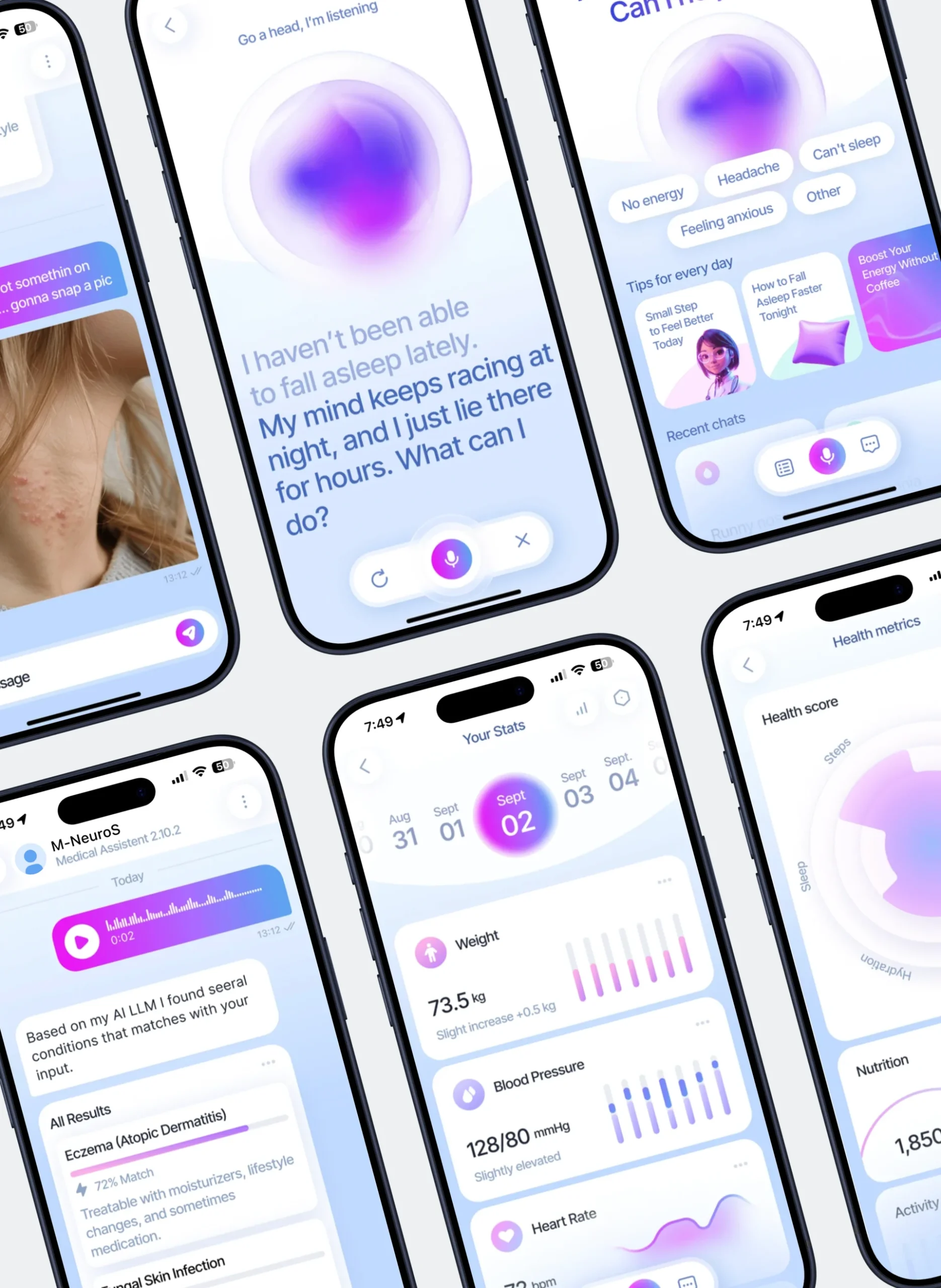
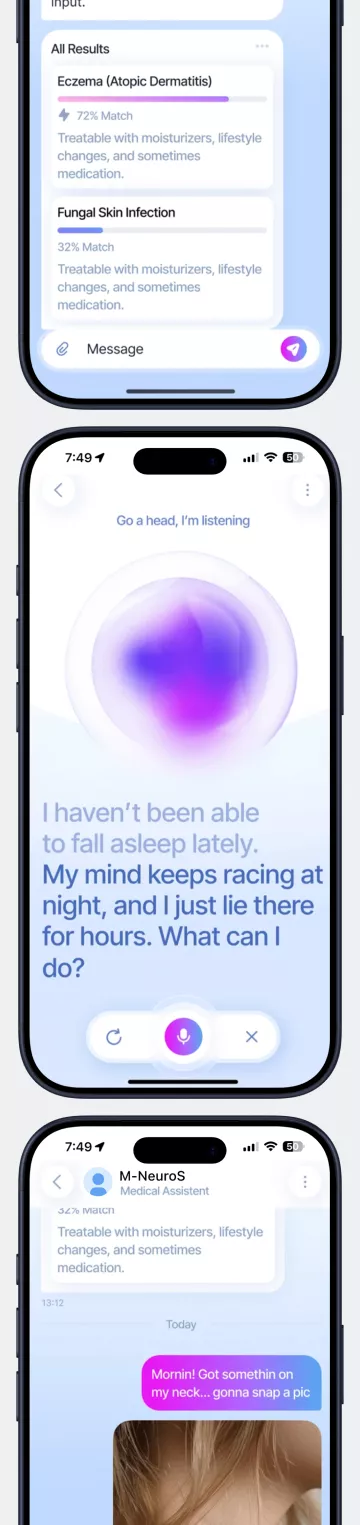
Healthcare institutions produce massive amounts of information daily – electronic medical records and diagnostic surveys, operational statistics, and patient feedback. M-NeuroS is an AI-driven healthcare intelligence system that aims to show how artificial intelligence can support predictive risk identification and data-driven decision-making across any healthcare system.
hypothetical earlier risk identification vs. manual review workflows (headline metric)
25–35%
Client Context
Domain: Healthcare
Location: Germany
Timeline: June 2024 – May 2025
Team: Project Manager, UX/UI Designer, Frontend Developer, Backend Developer, AI Engineer
Challenges
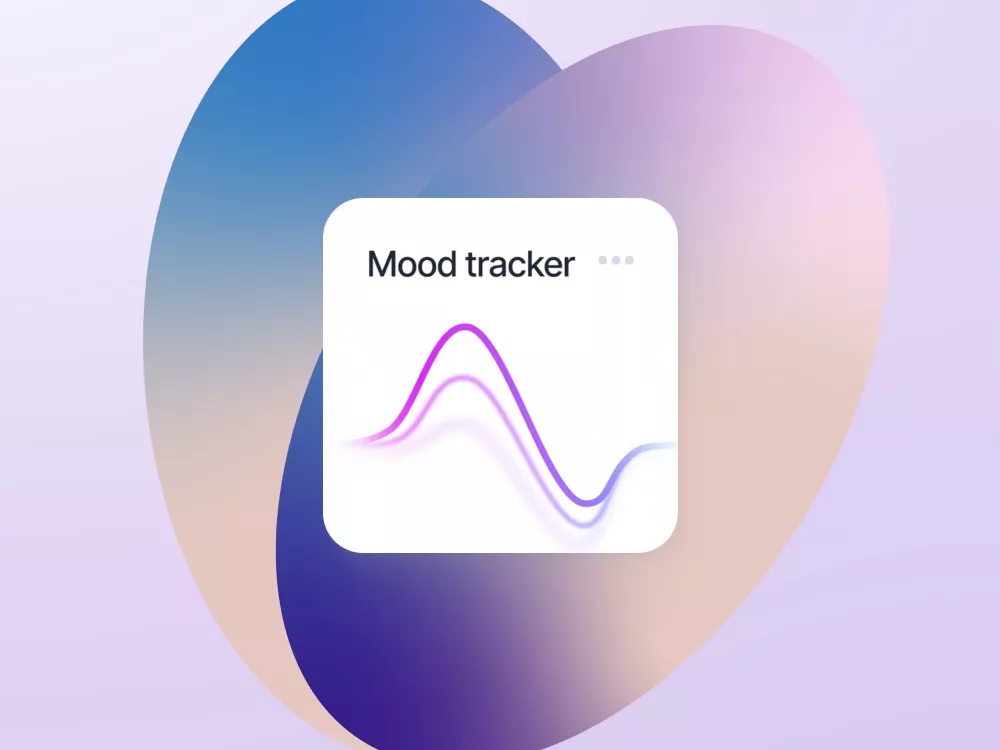
- Fragmented patient data – Healthcare data is often spread across multiple systems, limiting visibility into patient histories and trends.
- Delayed risk detection – Potential patient risks are often identified too late because of manual review processes.
- Operational inefficiencies – Administrative and clinical teams lack real-time insights into capacity, resource usage, and workflow bottlenecks.
- Data complexity for non-technical users – Clinicians and administrators need insights, not raw data or complex dashboards.
- High compliance and security requirements – Healthcare solutions must balance innovation with strict data protection and privacy standards.
Tech stack
Frontend

Backend

Delivery Approach
Ready to explore what a predictive healthcare AI platform could do for your organization?
Discovery & planning
We mapped the healthcare problems, target users, and data sources, then defined what a first release would need to prove.
O
Oleksandr
Project Manager
Architecture
We designed the data model, AI pipeline, and integration boundaries, how patient data would flow into risk detection and back out as clear insight.
R
Rostyslav
AI Engineer
Backend
Node.js services and the OpenAI-powered insight layer were structured to turn raw records into predictions and plain-language summaries.
S
Sviatoslav
Backend Developer
Frontend
React Native screens brought forecasts, dashboards, and alerts into interfaces built for clinicians, not data analysts.
A
Artur
Frontend Developer
Testing
Flows and AI outputs were validated against the concept’s scenarios to confirm the insight was clear, timely, and actionable.
O
Oleksandr
Project Manager
Ready to see how predictive healthcare AI can benefit your organization?
Contact usKey features
Forecasting patient issues
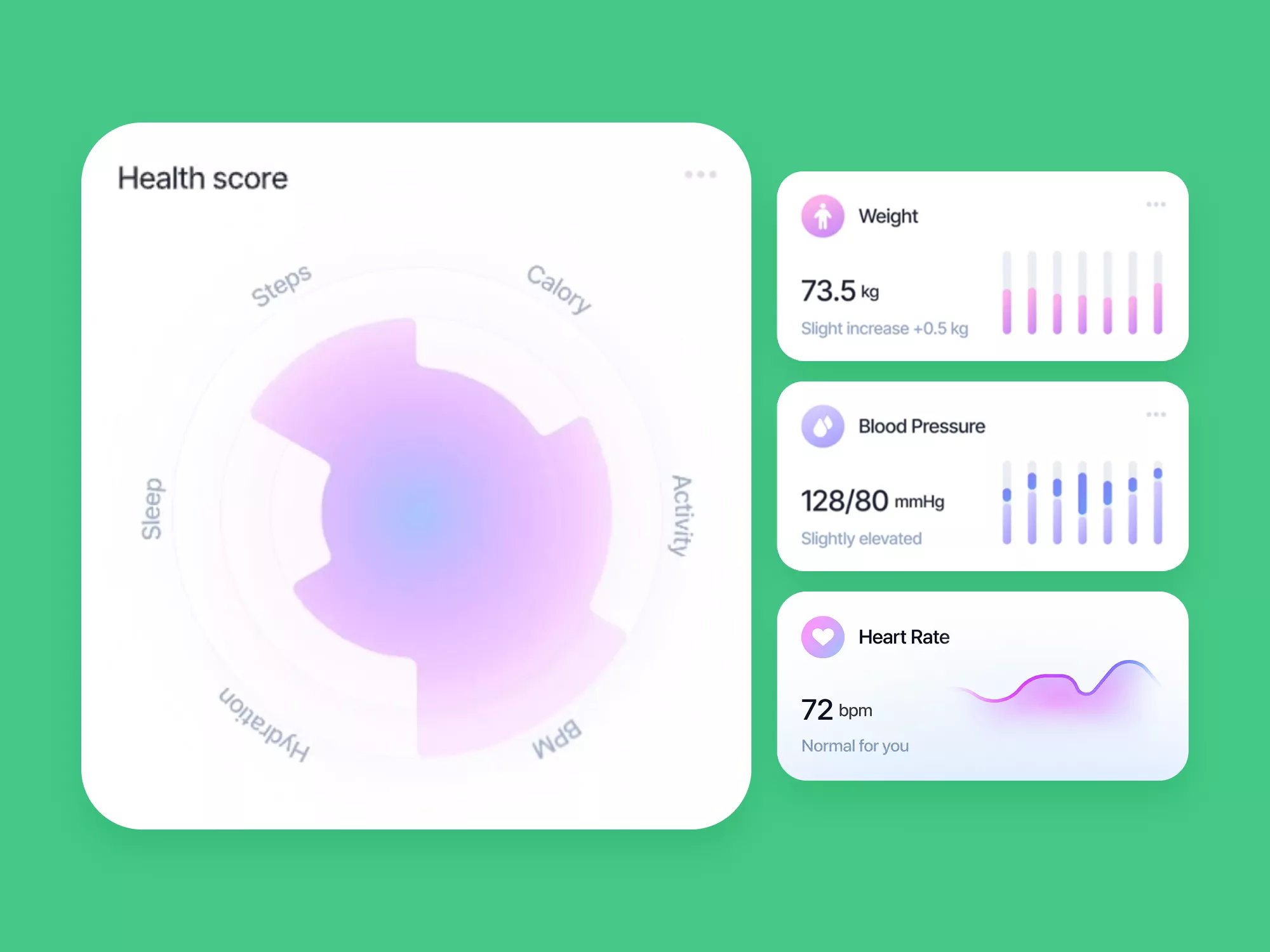
We developed an artificial intelligence engine that operates on patient records, vitals, and medical history to detect potential health risks. Clinicians enter the patient’s information, and the system highlights key indicators to help them make care decisions in advance. The result: risks surface while there is still time to act, not after the fact.
Operational intelligence dashboards
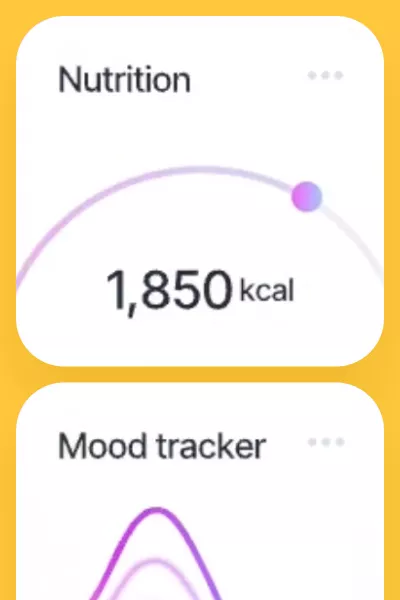
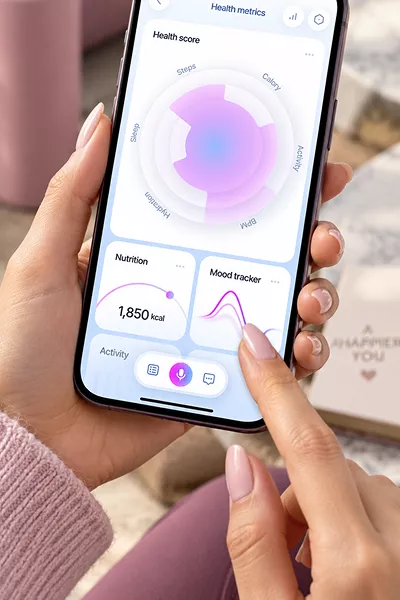
As a platform to enhance hospital efficiency, M-NeuroS offers interactive dashboards to visualize staff allocation, bed availability, and patient flow. Staff can track trends in real time and take informed action without manual calculations.
Automated clinical summaries
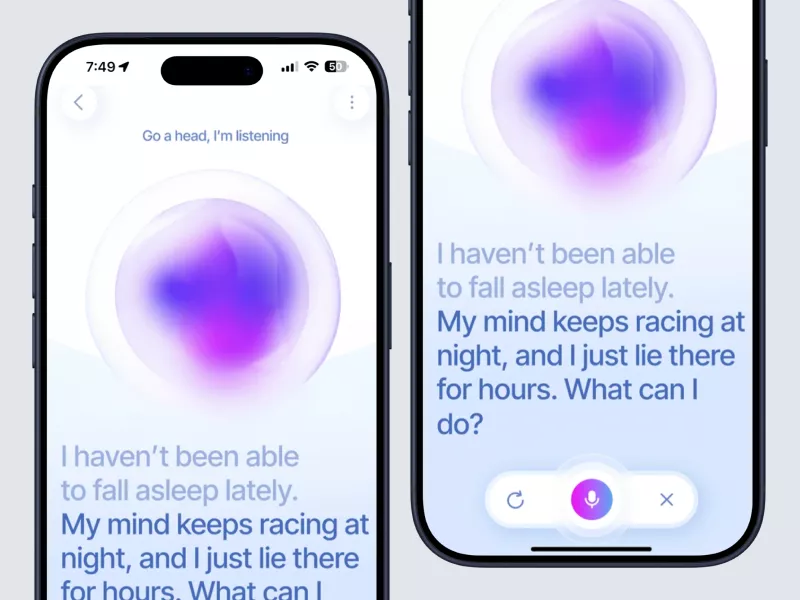
M-NeuroS produces summaries of complex datasets in human-readable formats. Clinicians and administrators can gain actionable insights without searching through vast volumes of reports, thereby lowering cognitive burden and saving time. Complex datasets become plain-language insight, cutting review time and cognitive load.
Scenario modeling & planning
The platform lets users generate hypothetical scenarios, including changes to patient consumption or resource supply. This enables hospitals to predict bottlenecks and streamline workflows before issues develop.
Seamless integration & alerts
M-NeuroS integrates with other EHR systems and automatically sends alerts for critical events. Notices will lead users to emergencies, enabling immediate intervention while also managing routine chores.
Results
In early concept validation, M-NeuroS pointed to clear, measurable value across speed, clarity, and confidence in clinical decision-making:
earlier risk detection
25–35%
less data-review time
30–40%
insights "clear and actionable"
82%
What client said

Karen Carter
COO, Dow Chemical Company
Related Services
Clear, accessible design that makes complex health information easy to act on.
Native and cross-platform health apps built for reliability and privacy.
HIPAA- and GDPR-minded software built for clinical and patient-facing care.

Is M-NeuroS a live, deployed product?
No, the source page describes M-NeuroS explicitly as a conceptual case study: a product vision showing how AI could be applied to healthcare risk detection and operations, rather than a shipped client system.
What technologies power the M-NeuroS concept?
The case lists React Native, Node.js, and OpenAI as its core technologies, covering the mobile client, backend, and AI/insight-generation layer.
What kind of healthcare organization would this concept suit?
Based on the challenges the concept addresses – fragmented records, delayed risk detection, and compliance pressure, it’s framed around hospital and clinical-operations settings rather than single-practice care.
What problems was M-NeuroS designed to address?
The concept targets five recurring healthcare problems: fragmented patient data, delayed risk detection, operational blind spots, dashboards too complex for clinical staff, and strict compliance demands, each treated as a design goal from the start.
What outcomes did the concept model?
In concept-validation modeling, the vision targeted 25–35% earlier risk detection and 30–40% less time on data review, with 78% of pilot users reporting clearer decisions. These are modeled concept outcomes, not measured production results.